California Officials Unearth 117 Dog Bodies at No-Kill Shelter
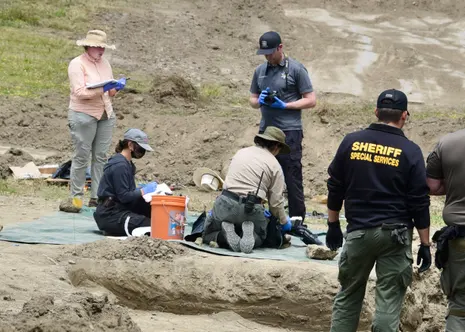
California officials unearth 117 dog bodies – California officials have uncovered 117 dog bodies, many with bullet fragments, at a facility that claimed to be a no-kill animal shelter. A recent excavation, prompted by a tip from a neighbor, revealed the remains of dogs buried on the premises of Miranda’s Rescue in Humboldt County. The discovery has shaken public trust in the sanctuary’s reputation, as the presence of gunshot wounds among the corpses suggests possible evidence of animal abuse. The Humboldt County Sheriff’s Office confirmed the findings, highlighting the significance of the investigation as it delves deeper into the shelter’s practices.
Shelter Operations and Funding Sources
Located outside Fortuna, California, Miranda’s Rescue had long been known for its mission to rescue and rehabilitate animals. However, the recent excavation has brought to light concerns about its operations. Investigators found that the shelter accepted hundreds of dogs annually from regional shelters, often in exchange for financial support. This arrangement, while intended to aid animal welfare, now forms a critical part of the scrutiny surrounding the facility. The funding streams and the number of dogs taken in have become key points of interest as the case unfolds.
Excavation Details and Forensic Evidence
The digging process, initiated in April after a neighbor’s report, led to the discovery of mass graves on the property. Using ground-penetrating radar, law enforcement identified irregularities beneath the surface, which guided the excavation efforts. In total, 117 intact dog remains were found in two sites, alongside 21 skulls, hundreds of bones, and six microchips. Forensic analysis of 70 of the bodies revealed bullet fragments, indicating that some dogs may have been shot before burial. This evidence challenges the shelter’s claim of being a “no-kill” facility, though the full context remains under review.
Authorities noted that the remains were in varying stages of decomposition, suggesting they had been buried for months. The sheriff’s team has prioritized preserving the evidence, with plans to examine the remaining 47 bodies in a secure facility. While the excavation has provided critical insights, the exact circumstances of the deaths are still being pieced together. This process has also emphasized the need for thorough documentation in animal rescue operations.
Founder’s Defense and Public Response
Shannon Miranda, the founder of Miranda’s Rescue, addressed the allegations in a statement posted on the organization’s website. He explained that some dogs were euthanized due to behavioral issues, which he argued had endangered staff and other animals. Miranda maintained that the shelter adheres to its “no-kill” principles, stating that euthanasia was only used when necessary. Despite this, the discovery has sparked widespread debate, with critics questioning the transparency of the shelter’s practices and the use of lethal force.
“Miranda’s Rescue is a no-kill rescue,” Miranda wrote. “We do not euthanize animals simply to make space. However, there are rare cases where euthanasia may be required.” He claimed that any use of lethal methods was reported to local authorities, even when not mandated by law. The statement, however, has not fully quelled public skepticism, as the community awaits further clarification on the incident.
Investigation Timeline and Pending Charges
The investigation began in April when a neighbor reported finding buried dogs on the property. This led to a formal inquiry, which has now revealed a complex set of evidence. As of June 25, no criminal charges have been filed against Miranda or the shelter’s staff, as the sheriff’s office continues to analyze the findings. The timeline of events, including the shelter’s acceptance of dogs and the burial process, is being carefully reconstructed to determine the full scope of the allegations.
Authorities are also examining the site’s layout and records to understand the scale of the operations. The presence of over 600 dog collars in a barn on the property adds to the evidence, indicating a large number of animals were housed there. While the exact causes of death remain unclear, the discovery has prompted calls for greater oversight in animal rescue organizations, particularly those with a public image of compassion and care.