Department of Homeland Security Will Permit Iran to Enter the U.S. Earlier for World Cup Encounter
Department of Homeland Security will allow – The U.S. Department of Homeland Security (DHS) has confirmed that it will grant Iran additional time to prepare for their crucial World Cup match against Egypt, scheduled for June 26. This decision follows a series of logistical challenges the Iranian team faced earlier in the tournament. Initially, Iran was only permitted to enter the United States 24 hours before their first two fixtures, which raised concerns about their ability to acclimate to the environment and recover effectively after games.
Revised Travel Arrangements for Iranian Team
The DHS spokesperson clarified that the Iranian squad will now be allowed to arrive in Seattle two days prior to their match against Egypt, easing the pressure of their tight schedule. This adjustment means they will have an extra day to settle in, train, and recover before the game. The spokesperson emphasized that the change was made to ensure optimal conditions for the team’s performance, stating, “The goal is to provide them with the necessary time to prepare, both physically and mentally, for the match.”
“Ahead of the match in Seattle on 26 June, the Iranian team will be allowed to come in match day minus two, so two days before the match,” a DHS representative told NBC. “They’ll be asked to leave the day that the match wraps up, so the evening of the match.”
This new schedule is a relief for the Iranian delegation, who had previously expressed frustration over the restrictions imposed by the tournament organizers. Earlier, the team had planned to file an official complaint with FIFA regarding the limited time they were given to enter the U.S. and the logistical difficulties that followed. Now, with the revised entry timeline, they can better manage their preparation and post-match recovery, which had been a point of contention in recent days.
Coach and Captain Highlight Struggles with Timeline
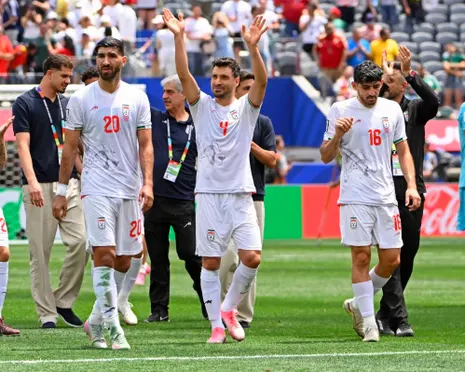
Iran’s head coach, Amir Ghalenoei, previously described the team as “the most oppressed” in the tournament, citing the difficulty of adhering to the tight travel schedule. After their Group G opener against New Zealand, he argued that the constraints had significantly impacted their ability to strategize and recover. Similarly, team captain Mehdi Taremi called the recent weeks a “disaster” due to the logistical hurdles, including the need to depart the U.S. immediately following their initial matches.
The Iranian team’s participation in the World Cup has been marked by a grueling itinerary. They trained in Mexico, where they had to transit through the U.S. just hours before their games. This last-minute movement not only added stress to their preparation but also raised questions about the fairness of the schedule. The DHS’s decision to grant them extra time reflects a growing awareness of these challenges, as well as a desire to support their competitive edge.
Impact on Team Performance and Tournament Outlook
The revised timeline could play a pivotal role in Iran’s ability to progress in the tournament. The team currently has a draw in Group G and is looking to secure a second win to advance to the knockout stage. A favorable result against Egypt would further strengthen their position, while another draw might also be sufficient. However, the team’s success hinges on their ability to manage the new schedule effectively, particularly given the physical demands of international competition.
Despite the change, the Iranian team’s travel plans remain tightly regulated. They are still required to leave the U.S. after their match against Egypt, ensuring they do not linger beyond the event. This structure underscores the U.S. government’s focus on maintaining security and efficiency throughout the tournament, which includes monitoring the team’s movements and ensuring compliance with all protocols.
Broader Implications of the Decision
The DHS’s intervention highlights the intersection of sports diplomacy and international relations. As the U.S. and Iran engage in discussions to resolve their ongoing conflict, which has been simmering since February, the decision to accommodate the Iranian team’s schedule may be seen as a symbolic gesture of cooperation. While the primary motivation is logistical, the move could also reflect efforts to foster goodwill ahead of the World Cup.
With the security concerns of the U.S. administration in mind, the focus remains on ensuring that the matches are conducted safely, both within stadiums and at training bases. The DHS’s spokesperson reiterated that the extra time is not just for convenience but to “make sure that things are safe and secure” for the players and staff. This statement underscores the broader priorities of the U.S. government, which seeks to balance diplomatic efforts with national security interests.
As the World Cup progresses, the Iranian team’s adjusted schedule may serve as a case study in how logistical flexibility can impact performance. Their ability to adapt to these changes will be crucial in navigating the challenges of the tournament. For now, the focus is on the match against Egypt, with the hope that the extra time will translate into better results and a stronger position in the group stage.