Kenya Minister Orders Halt to US Ebola Facility Construction
Kenyan minister orders halt to construction – Kenya’s health minister was recently found in contempt of court after continuing construction of a US-operated Ebola quarantine facility despite a prior directive to halt work. The court’s ruling followed months of public outcry over the project, which has sparked deadly demonstrations since its announcement in May. The facility, intended to house US citizens evacuated from the Democratic Republic of Congo (DRC), has become a focal point of controversy, with critics arguing it threatens Kenya’s national security and public health.
Facility Details and Legal Backdrop
The US facility is under development at Laikipia air base, approximately 125 miles (200km) from Nairobi. It is projected to include 50 isolation beds and be managed by American medical personnel. However, the project’s progress has been overshadowed by legal challenges. Rights groups petitioned the high court, alleging the construction proceeded without transparency or consultation with Kenyan citizens. Last month, the court initially ordered a pause in work, but the government’s refusal to comply led to the minister’s contempt ruling.
Protests and Public Opposition
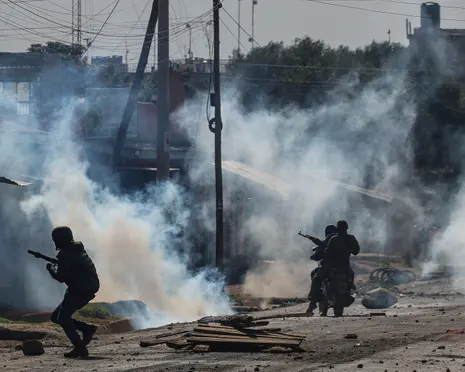
Public sentiment against the facility has been fierce, with over 1,000 confirmed Ebola cases and 250 deaths reported in the DRC as of June 20. The outbreak has spread to neighboring Uganda, where 20 cases and two fatalities have been recorded. Despite these statistics, Kenyans remain wary of introducing the virus into their country, which has not experienced any cases to date. Demonstrations have erupted, resulting in three deaths, including two on June 1 and a police shooting on June 9.
Legal Proceedings and Minister’s Apology
On June 23, the court formally cited the health minister, Aden Duale, for contempt after he defied the earlier order. In response, Duale apologized, stating, “I have instructed the immediate and complete cessation of any intended construction, site preparation, or related activities concerning the Laikipia airbase facility pending the hearing and determination of the substantive petition or until further orders of this court.” Judge Patricia Nyaundi Mande warned the minister against repeating the offense, though construction activities continued unabated.
US Stance and Evacuation Efforts
US officials have maintained that the facility is essential for managing the outbreak. In May, an American doctor who contracted Ebola in the DRC was evacuated to Germany, along with his wife and four children. The US State Department expressed optimism about resolving Kenyan objections, posting on X: “We are aware of the court action filed in Kenya against the Ebola isolation facility. We are in touch with Kenyan authorities and are optimistic we can resolve objections.”
Colonial Overtones and Health Preparedness
While the US has pledged $13.5m (£10.2m) to support Kenya’s Ebola readiness, critics argue the arrangement carries colonial undertones. They question why the facility is being built for American citizens rather than Kenyan nationals, who have been left without similar infrastructure. Dr. Davji Atellah, representing the Kenya Medical Practitioners, Pharmacists and Dentists Union, stated last month, “If it is too dangerous for America, it is too dangerous for Kenya.”
WHO Declaration and Outbreak Context
The World Health Organization (WHO) classified the DRC outbreak as a public health emergency of international concern on May 17, but experts suggest the virus may have been spreading unnoticed for weeks prior. According to the US Centers for Disease Control and Prevention (CDC), the current outbreak could be the largest on record, with the Bundibugyo strain—known for its lack of available vaccines or treatments—posing a significant risk. This strain has previously caused outbreaks in Uganda and the DRC, yet its impact remains underreported in some regions.
Controversy Over Quarantine Policies
The facility’s purpose has drawn criticism, as the US has shifted its approach to Ebola containment. While past outbreaks saw US citizens returning home for treatment, current protocols prohibit anyone infected with the virus from entering the country. This policy has led to questions about the facility’s necessity and whether it prioritizes American interests over local concerns. Kenya’s government, however, defends the decision, citing the need to protect public health and provide a safe environment for evacuated citizens.
Construction Activity Despite Court Order
Despite the court’s directive, activity at the Laikipia air base has not slowed. Satellite imagery from June 22 revealed ongoing construction, including the setup of tents and paved areas, with specialist staff and equipment still arriving. This has fueled accusations of the government disregarding judicial authority. “The minister’s actions demonstrate a lack of respect for the legal process,” noted one observer. However, the government maintains it is acting in the best interest of national health security.
Historical Context and Future Implications
The DRC’s Ebola outbreak marks the fifth major global epidemic in the past two decades. The previous largest outbreak, spanning 2014 to 2016, infected over 28,000 people and killed more than 11,000, primarily in West Africa. The Bundibugyo virus, responsible for the current crisis, has proven more challenging to control than the Zaire strain, which is more commonly associated with outbreaks in the DRC. The situation highlights the need for rapid response measures and international collaboration, but Kenya’s resistance underscores growing skepticism about foreign interventions.
Reactions and Ongoing Legal Battles
President William Ruto has defended the facility, calling it a necessary step to combat the crisis. “Kenya is doing the right thing by allowing the facility to proceed,” he stated. However, the court’s contempt ruling has intensified the debate. With the minister now facing sentencing, the case may set a precedent for how Kenya handles future foreign projects. Meanwhile, the US continues to emphasize its commitment to combating the outbreak, though the facility’s location and operational model remain contentious.
Public Health Concerns and National Pride
Kenyans argue that the facility could become a vector for the virus, given the protests and fears of uncontrolled spread. “We are not just concerned about the health risk; we are worried about the message this sends about Kenya’s sovereignty,” said a local activist. The controversy reflects a broader tension between international aid and national autonomy, as well as the emotional weight of an epidemic that has affected neighboring countries. The outcome of this legal dispute may shape how Kenya balances public health needs with diplomatic obligations in the future.