
Oil prices rise as traders eye fragile US-Iran ceasefire
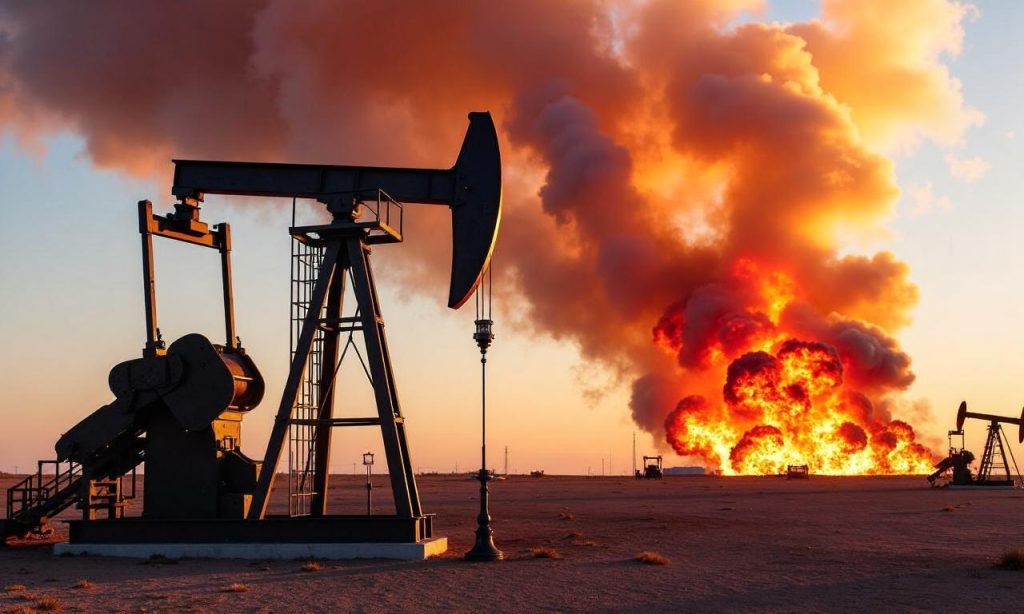
Oil prices rise as traders eye fragile US-Iran ceasefire
Asian markets saw oil prices climb on Thursday as investors closely monitored the precarious US-Iran ceasefire. The agreement, which paused hostilities for two weeks, faced scrutiny after Israel’s recent strikes in Lebanon intensified concerns about its stability. Tehran issued a warning of a “regret-inducing response” if the attacks continued, raising questions about the pact’s viability.
Wednesday’s price drop had been dramatic, following the announcement of the deal that included the reopening of the Strait of Hormuz. The waterway, critical for global trade, had seen reduced traffic after Iran threatened to attack ships crossing it in retaliation for US-Israeli airstrikes. Now, with the ceasefire in place, the situation remains uncertain.
Strait of Hormuz and shipping concerns
The reopening of the Strait of Hormuz was a key condition of the agreement. However, Iran’s navy has warned that vessels without permission will face attacks. This caution has led to a sharp decline in traffic, with only a few ships passing through since the deal was announced—far below the usual daily rate of around 130 vessels.
“A whole civilisation will die tonight” — US President Donald Trump, warning before the ceasefire deadline.
The deal was finalized on Tuesday evening Washington time, just before a 20:00 EDT deadline. It took a minimum of 10 days to clear the backlog of ships, according to Pole Star Global. Meanwhile, disputes over Lebanon’s inclusion in the ceasefire emerged as Israel launched its heaviest bombardment of the region in the conflict, killing at least 182 people.
Hezbollah, an Iran-backed militia, responded by firing rockets at northern Israel, stating the action was a reaction to ceasefire violations. US Vice President JD Vance is set to engage in talks with Iran in Pakistan on Saturday, aiming to solidify the fragile agreement.
