Splore No More: NZ Festival Scene Crisis Threatens Local Artists
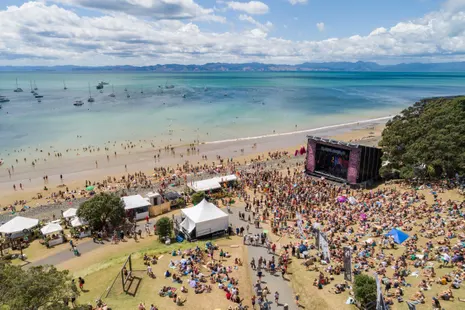
Wanderstayfinder.com – Splore no more—New Zealand’s music festival landscape has undergone a dramatic shift, leaving local artists struggling to gain traction as global acts dominate the scene. Once a thriving hub for grassroots creativity, the country’s festival culture now faces unprecedented challenges. The demise of Splore, which ran for over 25 years, has become a symbol of this decline. Founded on the principles of community and innovation, the festival was a launching pad for regional talent, but its 2026 edition marked the end of an era. With ticket sales failing to meet expectations, the collapse of Splore highlights a broader trend where smaller events are being outcompeted by large-scale international productions.
The Decline of Independent Festivals
Splore’s story is emblematic of a larger crisis. Over the past two years, more than 40 festivals have closed, including The Others Way, JuicyFest, and Timeless Summer Tour. Established names like Womad and Bay Dreams have also scaled back operations, signaling a seismic shift in the industry. According to Newzician, a local music publication, nearly 60% of festivals active during the 2023-2024 season were forced to cancel, delay, or shutter. This decline has not only affected artists but also disrupted the cultural rhythm of New Zealand’s summer, once celebrated as a time of music and community.
Ben Howe, co-founder of Splore and owner of Flying Nun Records, emphasizes the importance of smaller festivals. “They were the heartbeat of our music scene,” he says. “Local acts relied on them to build audiences and test new ideas.” But as global promoters like Live Nation and Ticketmaster expanded their reach, the balance shifted. These companies prioritize high-profile acts and massive crowds, often sidelining regional performers. Splore’s final event in February 2026, priced at $385 per ticket, drew fewer attendees than expected, underscoring the growing disconnect between the market and local musicians.
The Rise of International Festival Giants
International promoters are reshaping the festival landscape, leveraging global audiences and marketing power to secure dominance. Laneway Festival, for example, saw a surge in popularity after aligning with Ticketek in 2021, attracting over 35,000 attendees in Auckland alone in 2026. David Benge, who played a key role in Laneway’s Australian origins, notes that the festival’s international brand has driven its success. “We’ve created a unique experience that resonates beyond our borders,” he explains. However, this growth comes at a cost, as smaller festivals face financial strain from competing with events that offer greater visibility and profitability.
Benge admits that Laneway’s reliance on global markets has made it more lucrative, but he warns of the long-term impact on New Zealand’s music scene. “When big names take over, local acts lose their space,” he says. The festival’s six-date format across Australia and New Zealand allows it to capitalize on international demand, yet this strategy leaves regional events struggling to secure funding. As Splore no more, the question remains: can smaller festivals adapt, or will they be sidelined in favor of globalized, commercialized formats?
A Cultural Identity in Peril
Splore no more was more than just a music festival—it was a cultural rite of passage for many Kiwis. Held on the rugged beaches of Karioitahi, it fostered a sense of belonging and creativity that larger events often lack. John Minty, who led Splore from 2006 until its closure, recalls the festival’s impact. “It was a place where the community came together, not just for music, but for connection,” he says. The raw, unfiltered energy of Splore contrasted sharply with the polished, profit-driven nature of modern festivals, which prioritize headliners over local stories.
Local artists now find themselves in a precarious position, with fewer opportunities to showcase their work. The absence of mid-sized festivals means many performers are forced to rely on international stages to gain recognition. While global acts bring prestige, they often overshadow the unique sounds and styles that define New Zealand’s music scene. As the festival scene continues to shrink, the challenge is to preserve the cultural identity that once made events like Splore no more a cornerstone of artistic growth.
The Future of New Zealand’s Music Festivals
With Splore no more, the future of New Zealand’s music festivals hangs in the balance. Industry experts suggest that a combination of financial pressures and shifting audience preferences has led to this decline. Some festivals are pivoting toward niche markets, while others are merging with larger events to stay afloat. Yet, without a dedicated platform for local talent, the creative ecosystem risks losing its vibrancy. “We need to support festivals that prioritize community over commerce,” says Howe. “Otherwise, we’ll lose the soul of our music scene.”