
Travel Destination Guide for Adventure Seekers Worldwide
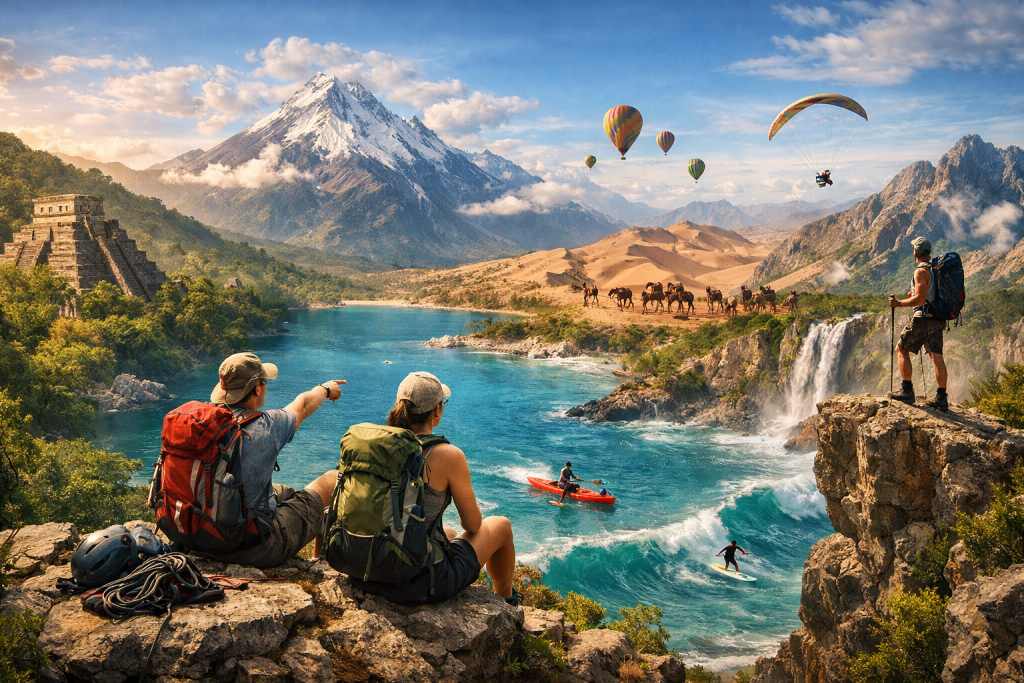
Adventure travel demands clarity, accuracy, and relevance. Readers searching for a travel destination guide for adventure seekers want actionable information, not inspiration alone. This article directly maps global destinations to real adventure activities, risk levels, terrain types, and seasonal considerations. It is written to support informed decision-making for travelers who prioritize challenge, exploration, and physical engagement.
Understanding What Makes a Destination Truly Adventurous
Adventure destinations are defined by terrain, climate, accessibility, and the intensity of activities available. Mountains, deserts, jungles, polar regions, and open oceans form the backbone of global adventure travel. A reliable travel destination guide for adventure seekers evaluates destinations based on objective factors, not marketing appeal.
Adventure travel typically includes activities such as trekking, mountaineering, diving, whitewater rafting, paragliding, and endurance expeditions. These activities require preparation, physical capability, and environmental awareness. Destinations that consistently attract adventure seekers offer infrastructure without diluting risk.
Seasonality matters more in adventure travel than in leisure tourism. Weather windows, altitude conditions, and ecological cycles determine safety and feasibility. Ignoring these variables leads to failed itineraries or unnecessary danger.
Mountain and High-Altitude Adventure Destinations
Mountain regions remain the most sought-after environments for adventure travelers. The Himalayas, Andes, Alps, and Rockies offer scalable difficulty, from technical climbs to long-distance trekking. Nepal stands out for altitude trekking, while Peru combines highland routes with cultural depth.
The European Alps provide structured yet demanding experiences such as via ferrata, glacier travel, and alpine climbing. Infrastructure is strong, but conditions remain unforgiving. This balance makes the Alps ideal for intermediate to advanced adventure seekers.
In South America, Patagonia represents isolation, wind exposure, and raw geography. Treks like the Torres del Paine Circuit test endurance rather than technical skill. A strong travel destination guide for adventure seekers highlights Patagonia for resilience-based adventure, not convenience.
Jungle, Rainforest, and Remote Wilderness Experiences
Jungles introduce complexity through humidity, biodiversity, and navigation challenges. The Amazon Basin, Borneo, and Papua New Guinea offer multi-day expeditions involving river travel, wildlife exposure, and limited external support. These destinations demand mental discipline as much as physical stamina.
Costa Rica and Malaysia provide controlled jungle adventures suitable for first-time explorers. Activities include canopy traversal, river rafting, and guided wildlife tracking. These locations act as transitional environments for travelers building experience.
Remote wilderness destinations reward preparation and penalize complacency. Logistics, permits, and local expertise define success. Any travel destination guide for adventure seekers must emphasize operational planning over aesthetics in these regions.
Desert, Arctic, and Extreme Climate Adventures
Extreme climates create high-risk, high-reward environments. Deserts such as the Sahara, Atacama, and Wadi Rum challenge hydration management, heat tolerance, and navigation skills. These landscapes strip travel down to essentials.
Arctic and sub-Arctic destinations introduce cold exposure, isolation, and logistical complexity. Greenland, Iceland’s interior, and northern Canada attract adventure seekers focused on endurance and self-reliance. Activities include ice trekking, glacier travel, and polar kayaking.
Extreme environments eliminate margin for error. Equipment failure, miscalculation, or poor planning escalates quickly. A credible travel destination guide for adventure seekers prioritizes safety protocols and environmental literacy in these regions.
Ocean, Coastal, and Water-Based Adventure Destinations
Water-based adventure destinations emphasize skill progression and environmental awareness. Indonesia, the Philippines, and the Maldives dominate diving and freediving due to biodiversity and water clarity. Strong currents and depth variability define difficulty levels.
For surface-based water adventure, New Zealand and Norway offer sea kayaking, coastal trekking, and cold-water navigation. These destinations combine technical skill with weather interpretation. Ocean conditions change rapidly and punish inexperience.
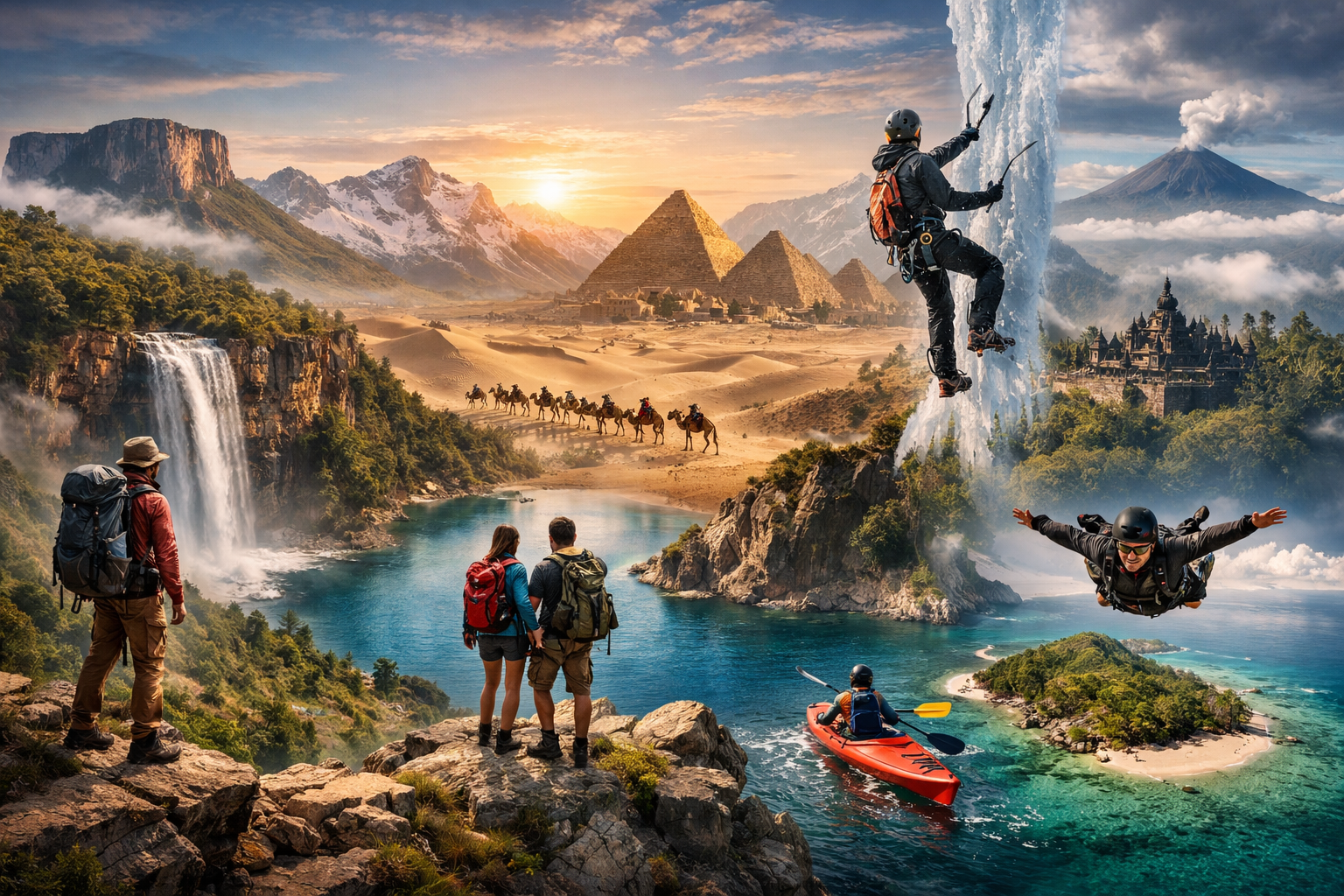
Whitewater rafting and canyoning hotspots include Nepal, Slovenia, and Chile. River grading, seasonal melt, and rainfall cycles dictate route selection. Any travel destination guide for adventure seekers must differentiate between recreational and expedition-level water travel.
Risk Assessment, Preparation, and Ethical Travel
Adventure travel is inseparable from risk management. Physical training, equipment redundancy, and local intelligence reduce exposure. Ignoring these fundamentals converts adventure into liability.
Ethical considerations matter in fragile environments. Over-tourism damages ecosystems and undermines local communities. Responsible adventure seekers respect permit systems, local labor, and conservation boundaries.
Preparation includes insurance coverage, evacuation planning, and contingency budgeting. A professional travel destination guide for adventure seekers treats these elements as mandatory, not optional. Adventure is deliberate, not impulsive.
Choosing the Right Destination Based on Skill Level
Matching destination complexity to personal capability is critical. Beginners should prioritize destinations with guided options and evacuation access. Intermediate travelers benefit from mixed-terrain environments that allow skill expansion.
Advanced adventure seekers target remote, unsupported, or multi-discipline expeditions. These travelers accept discomfort, uncertainty, and extended exposure. Destination selection becomes a strategic decision, not an emotional one.
A structured travel destination guide for adventure seekers exists to reduce mismatch between ambition and readiness. The goal is progression, not survival.
Conclusion
A global travel destination guide for adventure seekers must emphasize terrain, climate, risk, and preparation over inspiration. Adventure travel rewards those who plan rigorously and choose destinations aligned with their capabilities. The right destination is not the most extreme, but the most appropriate for the traveler’s skill, intent, and discipline.
FAQ
Q: What defines an adventure travel destination? A: An adventure destination offers physically demanding activities, environmental exposure, and requires preparation beyond standard tourism.
Q: Are adventure destinations suitable for beginners? A: Yes, if the destination offers guided routes, safety infrastructure, and scalable difficulty levels.
Q: How important is seasonality in adventure travel? A: Seasonality is critical, as weather and environmental conditions directly affect safety and access.
Q: Do adventure destinations require special insurance? A: Yes, adventure-specific insurance is essential due to higher risk and potential evacuation needs.
Q: Is adventure travel always physically extreme? A: No, adventure travel ranges from moderate challenges to extreme expeditions, depending on destination and activity choice.
