Ukraine War Briefing: Zelenskyy Sounds Warning on Oreshnik Missiles as Russia Strikes Kyiv
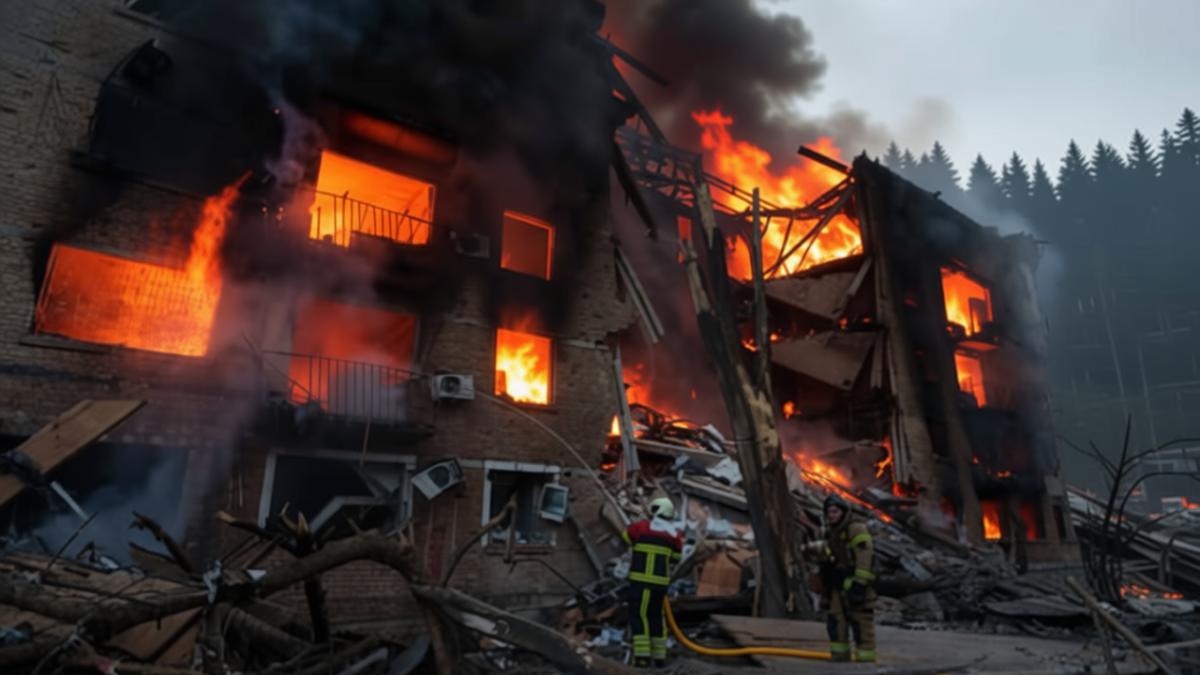
Ukraine war briefing – Kyiv, Ukraine’s capital, endured a significant missile strike early Sunday, marking a sharp escalation in the conflict. The attack occurred shortly after the Ukrainian air force issued a warning about a potential hypersonic Oreshnik ballistic missile launch by Russia. The warning, shared on Telegram, set the stage for the subsequent assault, which left one person dead and 20 injured. The explosions, which rattled the city shortly after midnight, were reported to have damaged multiple residential buildings, according to Kyiv mayor Vitali Klitschko, who detailed the situation on his social media platform.
Targets and Aftermath of the Attack
Officials confirmed that at least four areas in Kyiv were hit, including Shevchenkivsky, Dniprovsky, and Podilsky districts. Tymur Tkachenko, head of the Kyiv city military administration, described the attack as a “mass ballistic missile strike,” emphasizing the widespread damage. Debris and flames were reported at a central school, highlighting the civilian impact of the assault. While the Ukrainian air force did not immediately clarify whether the Oreshnik missile was involved, the timing of the strike suggested a possible connection to the earlier warning.
“The capital has come under a mass ballistic missile attack,” Tkachenko stated. “There are currently reports of at least four locations affected by the attack: Shevchenkovsky, Dniprovsky and Podilsky districts. Fires and damage to residential buildings are preliminarily reported.”
The attack underscored the growing threat posed by Russia’s hypersonic weaponry. The Oreshnik missile, which President Vladimir Putin has touted as nearly unstoppable due to its speed exceeding 10 times the speed of sound, has already been deployed twice in Ukraine. This latest strike, however, raised questions about its effectiveness and the strategic intent behind its use. Analysts noted that the Oreshnik’s precision could force Ukraine to confront a new level of military pressure.
Zelenskyy’s Global Warning
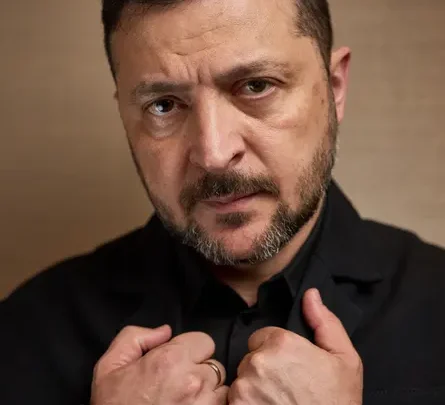
President Volodymyr Zelenskyy seized the opportunity to issue a broader warning, framing the Oreshnik strikes as a critical turning point. “Any use of such weapons sets a global precedent for other potential aggressors,” he wrote in a social media post. Zelenskyy argued that allowing Russia to continue its campaign with these advanced missiles would embolden similar regimes to follow suit. “If Russia is permitted to destroy lives on this scale, then no agreement will restrain other aggressive regimes from escalating their attacks. We rely on a response from the world—one that is proactive, not reactive.”
The president’s comments came as international allies called for stronger action against Moscow. Canada’s prime minister, Mark Carney, condemned the attack on civilian targets, urging immediate cessation of strikes. “These assaults prolong human suffering and do nothing to change the fact that Russia will lose this war,” Carney asserted. He also praised the resilience of the Ukrainian people, stating that Russia had “greatly underestimated their courage, determination, and strength.”
“We are trying to have just 1% of the strength, bravery and courage of Ayrton, and if we can do this, it will help us to eventually come to terms with our life without him,” Natasha, Redfearn’s mother, said. “I am very grateful for all the tributes, messages and support from those who knew Ayrton and from strangers.”
A British Life Lost in the Conflict
The attack also claimed the life of a 23-year-old British national, Ayrton Redfearn, who was serving in a specialized unit supporting the Ukrainian army. His death, confirmed by his mother Natasha, occurred in the Donetsk region on 9 May. Redfearn had joined the Royal Air Force at 17 before transitioning to overseas service, a path he began in 2025. His mother recounted the fear she felt knowing her son was part of a high-risk mission, stating, “I lived in fear of the police coming to my door with bad news.”
The Foreign, Commonwealth and Development Office (FCDO) expressed its support for Redfearn’s family, confirming ongoing contact with Ukrainian authorities. The office also highlighted the dangers faced by British nationals in Ukraine, warning that they are at risk of maltreatment. This case added a personal dimension to the broader geopolitical tensions, as Redfearn’s sacrifice was recognized in tributes from both Ukrainian and international communities.
International Reactions and Strategic Context
Amid the attacks, the conflict’s strategic implications became more apparent. The Ukrainian air force had warned of the Oreshnik’s use just days before the strike, citing intelligence from Ukraine, the US, and European allies. The warning followed Russia’s own announcement about the rising death toll from a Ukrainian strike on a college and dormitory in a Russian-occupied eastern town, which had reached 18. This contrast highlighted the dual threat of both Russian aggression and Ukrainian retaliation, keeping the war’s momentum high.
Zelenskyy’s message resonated beyond Kyiv, as he called for a global response to prevent further escalation. “Pressure must be applied to Moscow so it does not expand the war,” he said, emphasizing the urgency of international solidarity. His statement aligned with the sentiments of other global leaders, including Carney, who echoed the belief that Russia’s strategy of targeting civilians would ultimately backfire.
Cultural Echoes of the Conflict
On Saturday, the war’s reach extended into the cultural sphere as acclaimed Russian director Andrey Zvyagintsev urged an end to the violence. His film, which depicted life during the conflict, won second place at the Cannes Film Festival. Speaking at the awards ceremony, Zvyagintsev lamented the human toll, stating, “Millions of people on both sides of the contact line now dream of only one thing: that the massacres finally stop.” He directed his plea at Putin, calling for an end to the “carnage” that had become emblematic of the war.
Zvyagintsev’s remarks reflected a growing divide in public opinion, as the conflict continued to shape global narratives. While Russia pressed its military campaign, its cultural exports faced scrutiny, with some viewing them as a means to distract from the war’s brutal realities. The director’s film, however, served as a poignant reminder of the shared human cost, regardless of nationality or allegiance.
The situation in Kyiv remains a focal point for both Ukrainian and international observers. The combination of hypersonic missile strikes and civilian casualties has intensified calls for decisive action. As the war enters a new phase, the balance of power appears to be shifting, with Zelenskyy and his allies pushing for a united front against Moscow’s expansionist ambitions. The path forward, however, will depend on how quickly the world responds to the escalating crisis.
Meanwhile, the story of Ayrton Redfearn continues to symbolize the personal stakes of the war. His mother’s words, emphasizing the legacy of his bravery, underscore the emotional toll on families caught in the crossfire. As the conflict persists, such personal accounts will remain vital in shaping public sentiment and reinforcing the need for sustained international support.