20 ways Taylor Swift remade pop culture in her image
Wanderstayfinder.com – Two decades have passed since Taylor Swift first captured the world with her debut single, a moment that sparked a career as transformative as it was unprecedented. Her ability to reshape the very fabric of pop stardom is rooted in a combination of artistry, strategic vision, and an unwavering commitment to personal storytelling. From the moment she emerged, Swift didn’t just perform music—she crafted a cultural identity, one that has since become the blueprint for how artists engage with fans and redefine their industries.
From Country Roots to Pop Phenomenon
Released in 2006, “Tim McGraw” was more than a country ballad; it was a cleverly packaged narrative that merged personal emotion with a broader cultural reference. Swift’s decision to name her song after a beloved country singer, while subtly hinting at a former lover, set the tone for her career as a writer who turned intimate moments into universal themes. The lyrics, which contrast the fleeting nature of relationships with the enduring power of music, were already foreshadowing her knack for blending vulnerability with a sense of control.
“When you think Tim McGraw,” she sang, “I hope you think of me.”
This line, simple yet profound, encapsulated the essence of Swift’s artistry: the ability to make listeners see their own reflections in her words. Her early work, though rooted in country music, carried the seeds of her future dominance in pop culture. The image of a young girl in a “little black dress” dancing under a moonlit lake, or the cars parked on back roads where she and her love shared secret moments, became more than just metaphors—they were cultural touchstones that would evolve with her over time.
Reclaiming the Narrative
From the outset, Swift demonstrated a mastery of narrative control. In her debut, she rewrote the clichés of small-town romance, turning them into something fresh and personal. This skill only sharpened as her career progressed, allowing her to dismantle stereotypes and redefine genres. Songs like “Blank Space” not only challenged the man-eater trope but also introduced a new archetype: the “mad” woman, a symbol of emotional complexity that resonated far beyond the confines of pop music.
Her approach to storytelling was always deliberate. Whether it was the nostalgic glow of a past relationship or the sharp, biting critique of rivals in tracks like “Mean” or “Bad Blood,” Swift ensured that every moment was framed with purpose. By flipping the timeline of her experiences—moving from memories of the past to the pain of the present and the nostalgia of the future—she turned her personal journey into a compelling, relatable saga.
Industry Disruption and Fan Connection
Swift’s early career was marked by a unique ability to balance authenticity with industry savvy. She understood that owning her music was not just about creative control—it was a means of building a loyal fanbase that would support her through every phase. By writing her own songs and cultivating a genuine relationship with listeners, she created a foundation that no label could easily dismantle.
Her debut single was a product of this strategy. While it may have seemed like a typical country song on the surface, it was already laying the groundwork for her dominance in the music world. The “southern twang” of her early work, though charming, was just the beginning. Over time, Swift’s style evolved, but the core of her storytelling remained—a blend of personal emotion and broader cultural commentary that made her music resonate on multiple levels.
By 2008, with the release of her second album, *Fearless*, Swift had already transformed her management into a family affair. This shift gave her the freedom to grow on her own terms, a luxury that many artists in the manufactured era of the early 2000s lacked. Her label, Big Machine Records, recognized her potential, and head Scott Borchetta even encouraged her to take creative risks. This support culminated in 2010 with *Speak Now*, an album that marked her transition from a teen idol to a fully realized artist.
Legacy and Cultural Impact
Taylor Swift’s influence extends far beyond music. She has become the lens through which we view pop culture, womanhood, and the evolution of the music industry itself. Her ability to craft stories that mirror the experiences of millions has made her a cultural icon, one who has consistently outmaneuvered competition and redefined what it means to be a pop star.
Her career is a testament to the power of persistence and personal vision. Where others might have faded into obscurity, Swift adapted, reinvented, and maintained her relevance. The “foes” she inspired—whether through lyrics or public persona—never stood a chance against her ability to turn every challenge into a narrative opportunity. Her fans, known as Swifties, have become a symbol of the deep connection between artist and audience that she pioneered.
Looking back at her debut, it’s clear that the foundations of her success were already in place. The song’s themes of memory, love, and loss were not just personal reflections—they were cultural markers that would shape the next two decades. As she continued to evolve, Swift’s work remained grounded in the same principles: authenticity, emotional resonance, and a refusal to let anyone else define her story.
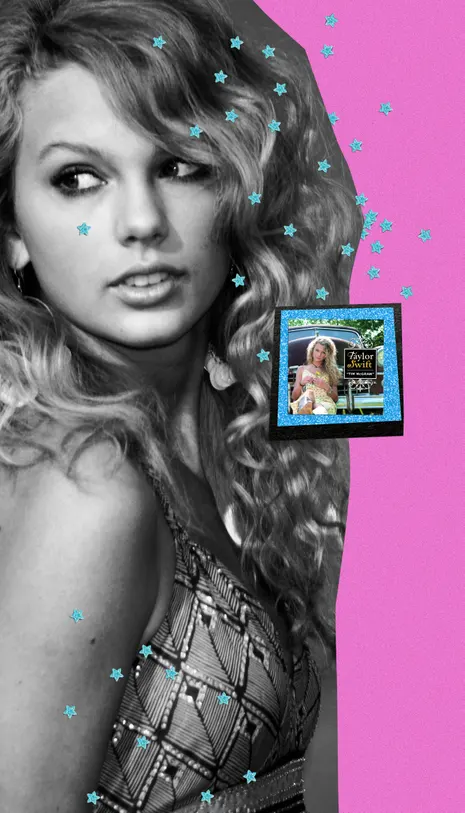
Her journey is a story of transformation, from a country teen with corkscrew curls and cowboy boots to a 36-year-old showgirl who dominates global charts. Yet, the essence of who she is as an artist has never wavered. The “Tim McGraw” of her debut is still echoed in her later work, proving that her creative vision has always been consistent—just as bold, just as intimate, and just as revolutionary.
From the first note of her debut single, Taylor Swift set out to reshape the world in her own image. Through her music, she has not only redefined pop stardom but also created a legacy that will endure for generations. Her 20 ways of influencing culture are as varied as they are impactful, each one a testament to her ability to turn personal experiences into collective memories. As she continues to evolve, one thing remains certain: the world will always remember the girl who first sang about love and loss with such clarity, and the artist who turned that into a global phenomenon.
The Power of Time and Memory
Swift’s use of time as a narrative tool has been one of her most distinctive contributions to pop culture. Whether it was the tender recollections of a past relationship or the calculated nostalgia of her later hits, she has always mastered the art of making listeners revisit moments with fresh perspective. This is why her fans, both young and old, continue to find meaning in every track, every album, and every story she tells.
Her ability to bend chronology—moving from the warmth of memories to the ache of present pain and the reflection of future nostalgia—has allowed her to maintain relevance while evolving as an artist. This approach not only deepened her connection with fans but also made her music feel timeless, a quality that has helped her sustain a career spanning over two decades.
In a world where manufactured stars often fade quickly, Taylor Swift has remained a constant. Her early work, though rooted in country, already contained the elements that would define her as a pop icon: a blend of personal storytelling, emotional depth, and an unshakable sense of self. By reimagining the narratives of her youth, she has created a body of work that continues to shape how we understand music, culture, and the power of a single song to change lives.
As we reflect on her 20-year journey, it’s easy to see how she has redefined the role of the pop star. No longer just a performer, she is a cultural force, a storyteller, and a business strategist. Her debut single was the beginning of a revolution—one that has left an indelible mark on the world of music and beyond. The next 20 years will only continue to build on that legacy, proving that Taylor Swift’s influence is as enduring as it is transformative.